Reviews forCome and See
Not Monsters, but Men

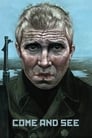
To be clear, "Come and See" does not downplay the horrific acts committed by the Nazi party during World War II. In fact, it is quite the opposite, with the film often being cited as an exception to Truffaut's famous statement on the nature of anti-war film. We see them smile, laugh, and derive joy from the destruction and burning of innocent people. What struck me about Klimov's depiction of the Nazis was its breakaway from the stereotypical view found in popular culture. Often, the Nazi party is used as a symbol of complete evil and destruction. While this usage is certainly not wrongly attributed, it puts things through a black and white lens that can take away from the reality of the situation. Despite the terrible acts, every single member of the Nazi party is still a member of the human race, even if they do not act like it. The proper communication of this idea is what gives "Come and See" much of its chilling effect. The infamous red, white, and black Nazi iconography is used sparsely throughout the film. An isolated shot of a German soldier would not glaringly reveal their allegiance. Perhaps the most memorable example of this is found in Adolf Hitler himself. In one of the last scenes of the film, we see our protagonist firing upon a portrait of Hitler. A reversed overview of his history, crafted with real footage, brings forth another bullet at each stage of life. Finally, we get to Hitler as an infant, and our protagonist hesitates. Again, a reminder of what lies beneath the mask of the monster: a human being. There is no excuse for the atrocities committed by Nazi Germany during World War II, and "Come and See" gives a grim view into the truth: this conflict is not monsters against humans, but humans against humans.